Understanding Your Wall Material
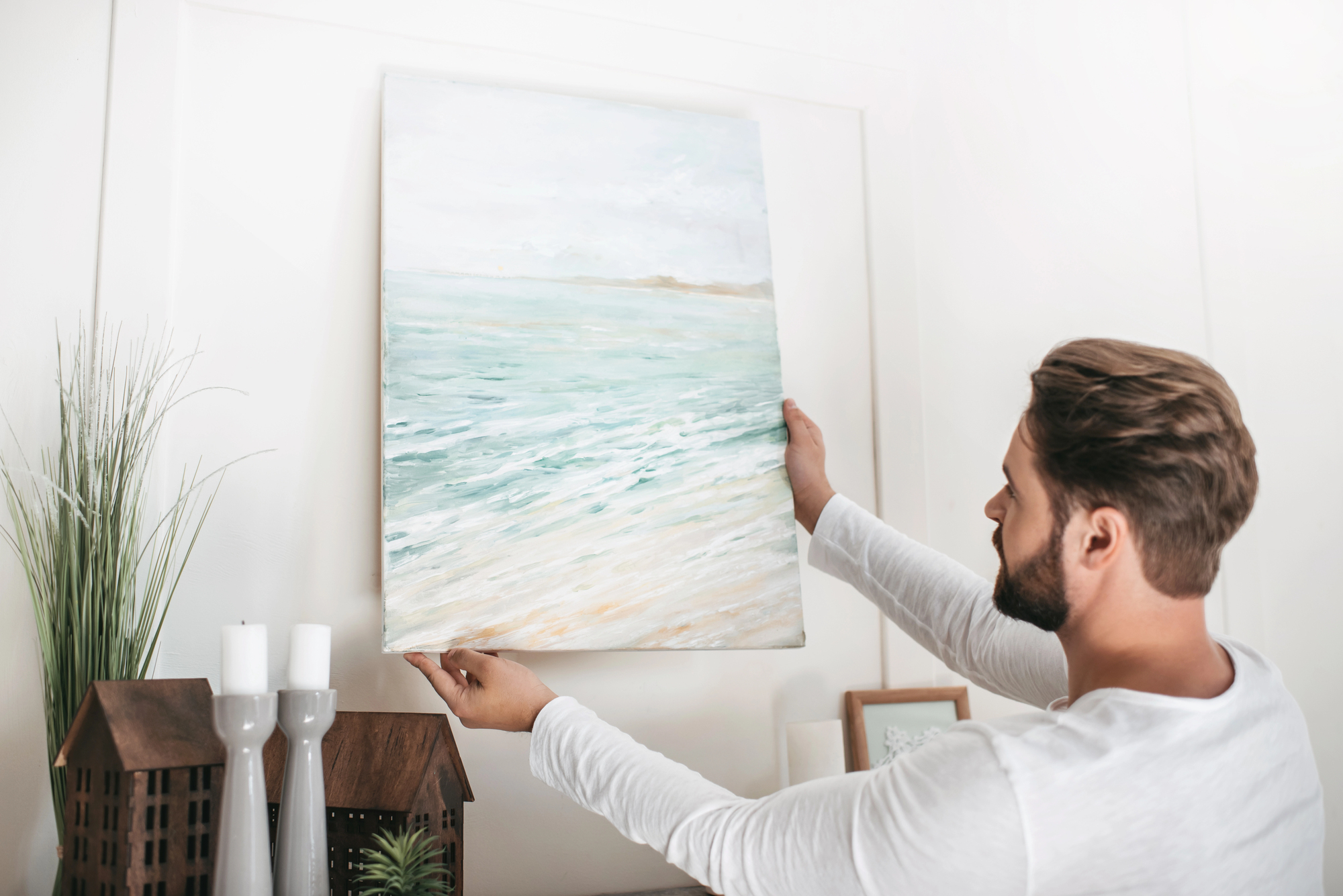
Hanging pictures sounds simple. However, every wall creates different challenges. Drywall, plaster, brick, and tile each need different tools and techniques. When you understand the surface first, you can avoid damage and create a clean, secure finish.
Best Practices for Drywall
Drywall remains the easiest surface for picture hanging. Small frames only need basic picture hooks or nails. Heavier artwork requires wall anchors for extra support. Before drilling, locate wall studs whenever possible. Studs provide stronger holding power and reduce the risk of sagging. Additionally, accurate measuring keeps your layout level and balanced.
Working with Plaster Walls
Plaster walls demand more patience. Unlike drywall, plaster cracks easily under pressure. Therefore, avoid hammering nails directly into the surface. Instead, pre-drill small pilot holes before installing the required screws or anchors. Using painter’s tape over the drilling area also helps prevent chipping.
Drilling into Brick and Concrete
Brick and concrete surfaces require masonry anchors and a hammer drill. Standard screws will not hold properly in these materials. Mark the location carefully before drilling because repairs are difficult to hide. Furthermore, masonry hooks work well for lightweight décor when you want fewer holes.
Managing Tile Surfaces
Tile walls present another challenge. Bathroom and kitchen tile cracks easily when drilling a hole for an anchor. For that reason, use a carbide-tipped drill bit and apply light pressure. Drill slowly and keep drill bit cool with water to avoid cracking tile. Placing masking tape over the tile and using a snap punch reduces slipping while drilling. In many cases, adhesive hooks offer a safer option for smaller pictures.
How to Choose the Right Hooks and Anchors
Selecting the correct hardware depends entirely on the weight of your artwork and your wall type:
Standard Picture Hooks: Best for lightweight frames (up to 20 lbs) on drywall or plaster.
Plastic Expansion Anchors: Ideal for medium-weight items (20 to 50 lbs) in drywaal or concrete.
Toggle Bolts or Molly Bolts: Required for heavy mirrors and large art (over 50 lbs) on hollow walls.
Masonry Screews & Sleeves: Specifically designed to grip tightly into solid brick or concrete blocks.
Adhesive Strips: Best for damage-free hanging of very light items on tile or painted surfsces.