
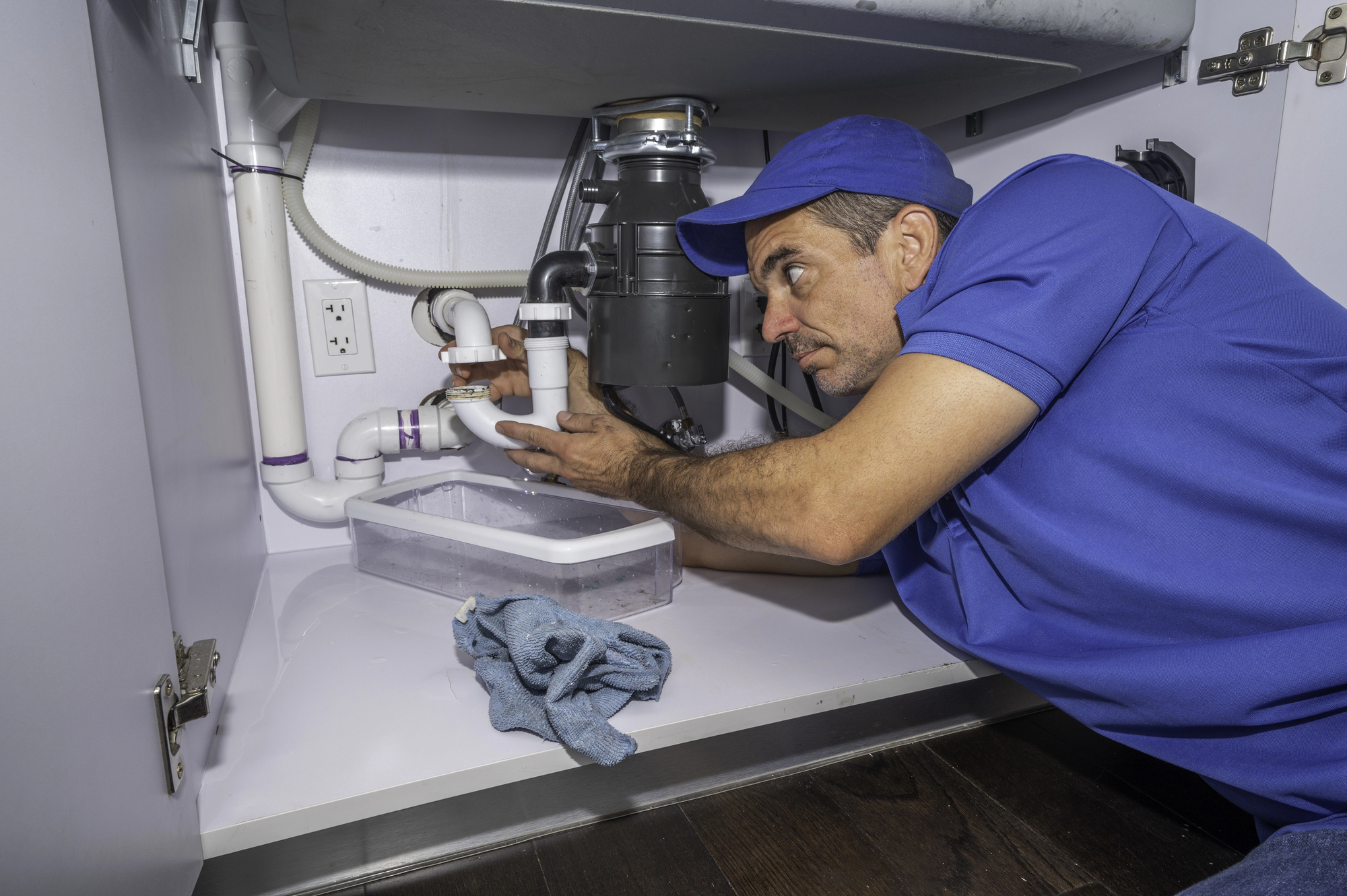
Upgrading Your Kitchen with a New Garbage Disposal
Garbage disposal replacement will improve your kitchen. Old units often clog, leak, or make loud grinding noises. A new garbage disposal restores convenience and keeps your kitchen sink running smoothly.
Step 1: Safety First When Removing the Old Unit
First, turn off the power at the breaker box because you should never trust the wall switch that can be accidentially turned on. Next, disconnect the drainpipe and remove the old disposal from the mounting ring. Be sure to keep a towel nearby because leftover water usually spills out during removal.
Step 2: Preparing the Sink Flange
After that, inspect the sink flange and mounting assembly. Since worn parts often cause leaks under the sink you should replace those parts prior to new disposals installation. To begin this process, apply plumber’s putty by creating a 1/2″ diameter rope out of puttyand place it around the sink flange before tightening the disposal mounting hardware securely.
Step 3: Installing the New Disposal
Once the mount sits firmly in place, you can connect the new garbage disposal. Fortunately, most modern units include simple twist-lock systems. As a result, installation takes less time than older models required. Next, attach the drain line carefully and reconnect the dishwasher hose if your kitchen uses one.
Step 4: Testing Your Connections
Before restoring power, check that every drain connection is tight before testing new garbage disposal. Then, turn the breaker back on and test the disposal with cold water turned on.
Buyer’s Guide: Choosing the Right Horsepower
It is important to choose the right horsepower for your household needs. For instance, smaller homes often do well with a 1/3 or 1/2 horsepower unit. However, busy kitchens usually benefit from 3/4 or 1 horsepower models.
Long-Term Maintenance Tips
In conclusion, expert garbage disposal installation reduces odors, prevents clogs, and improves kitchen efficiency. Most importantly, regular maintenance helps the unit last for years. To keep it running well, always run cold water during use and avoid putting grease, bones, or fibrous foods into the disposal.
Links To Select A New Garbage Disposal
Click On Garbage Disposal For Link To Home Depot.
Click On Garbage Disposal For Link To Lowes.