Understanding Your Hot Water Tank: Draining vs. Flushing
Most homeowners use their hot water tank daily but rarely think about how it works. If hot water comes from the tap, the system is easy to overlook. However, routine maintenance is essential for keeping the water heater running efficiently and helping it last longer.
One of the most important maintenance tasks involves removing sediment that builds up inside the tank over time. To start, homeowners often hear the terms “draining” and “flushing” used interchangeably, but they are not the same thing. Understanding the difference can help you choose the right maintenance approach for your hot water tank.
Why Sediment Matters
According to plumbing professionals, flushing the tank provides the most complete cleaning. This is because, during normal operation, minerals and sediment settle at the bottom of the tank. As these deposits accumulate, they reduce efficiency, slow heating performance, and increase wear on the system.
The Limits of Draining
First, let’s look at draining. A simple drain removes water from the tank but does little to disturb the sediment resting on the bottom. While draining can help address certain issues, such as unusual banging or rumbling noises coming from the water heater, it does not fully remove the buildup that affects performance.
The Benefits of Flushing
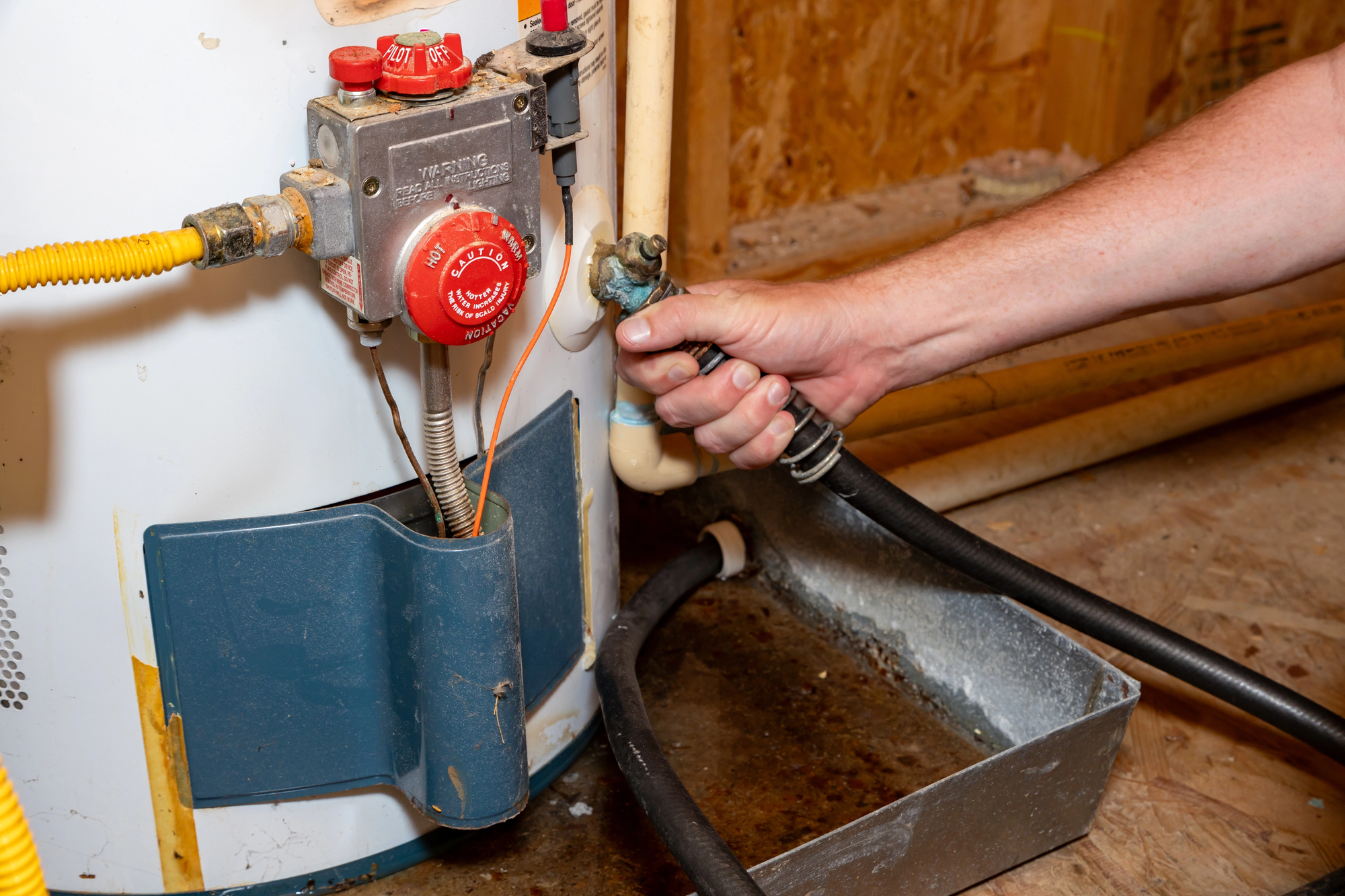
In contrast, flushing goes a step further. The process uses fresh water to stir up and wash out accumulated sediment. By removing these deposits, a flush helps the water heater heat more efficiently, recover hot water faster, and operate with less strain on system. Consequently, regular flushing can also help extend the life of the unit and reduce the likelihood of costly repairs.
Can You Do It Yourself?
The good news is that flushing a standard tank-style water heater is a maintenance task many homeowners can perform with the proper instructions and safety precautions. However, some systems require specialized knowledge.
For instance, if you own a tankless water heater, heat pump water heater, or solar water heating system, it is often best to hire a qualified professional. This is crucial because these advanced systems contain components that can be damaged if serviced incorrectly.
The Bottom Line
In conclusion, routine water heater maintenance can improve performance, increase energy efficiency, and help your system last longer. Ultimately, while draining may offer limited benefits, flushing provides a more thorough cleaning and remains the preferred option for most traditional hot water tanks,.
For homeowners considering this maintenance, it is important to prioritize safety. Working with water heaters involves high temperatures, pressurized systems, and often electrical or gas connections.
To ensure the task is done safely and correctly:
Consult the Manufacturer’s Manual: Every model has specific safety procedures and shutdown sequences that must be followed to avoid damaging the unit or causing injury.
Safety Precautions:Standard safety measures typically include wearing protective gear to prevent burns and ensuring the power or gas supply is correctly disabled before starting.
Professional Assistance:If there is any uncertainty about the process or the specific requirements of a system, hiring Arizona Quality Handyman is the safest way to ensure the unit is maintained according to local building codes and safety standards.
Links To Select A Hot Water Tank
Click On Hot Water Tank For Link To Home Depot
Click On Hot Water Tank For Link To Lowes.